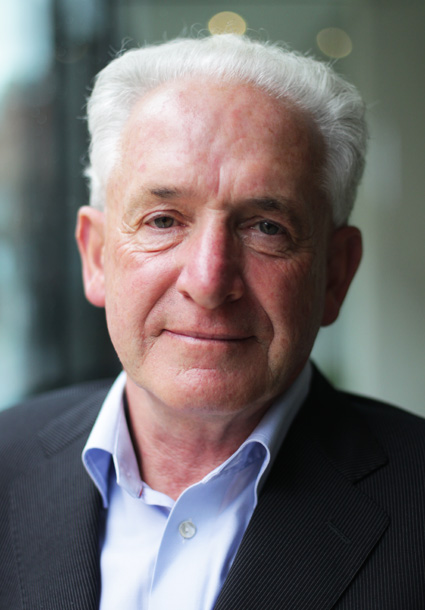
(This is a short, and very succinct, article by Peter Keenan)
8 December will mark sixty years since the formal end to Vatican II, described by the late Fr Gabriel Daly (an Augustinian, like the new pope) as ‘a massive surgical operation carried out without anaesthetic on a patient who thought she was in the best of health’.
The “patient” is now in terminal decline, largely the result of institutional Catholicism’s culpable failure to address honestly and courageously three issues identified by Pierre Teilhard de Chardin SJ, as far back as the 1950s:
1. Forms of governance lacking democratic accountability.
2. A static view of revelation, with particular regard to the reluctance to examine doctrines in the light of the findings of the social and natural sciences.
3. The imperative to afford women an equal role in all matters pertaining to ministry and church polity.
If Pope Leo does not soon adopt a radical approach to reading ‘the signs of the times’ (Gaudium et Spes – December 7, 1965, the last working day of Vatican II), future historians will judge his pontificate to have marked a key stage in Catholicism’s demise. The consequences of inaction will render it the prey of bigotedfundamentalists and sectarian populists, and Catholicism’s public voice will become little more than ‘a noisy gong or a clanging cymbal’ (1 Cor. 13:1).
(Peter Keenan is the author of three really interesting books, on the Birth, Death and Resurrection of Jesus of Nazareth, all published by Columba Books)